 EN
 DE
 FR
 IT

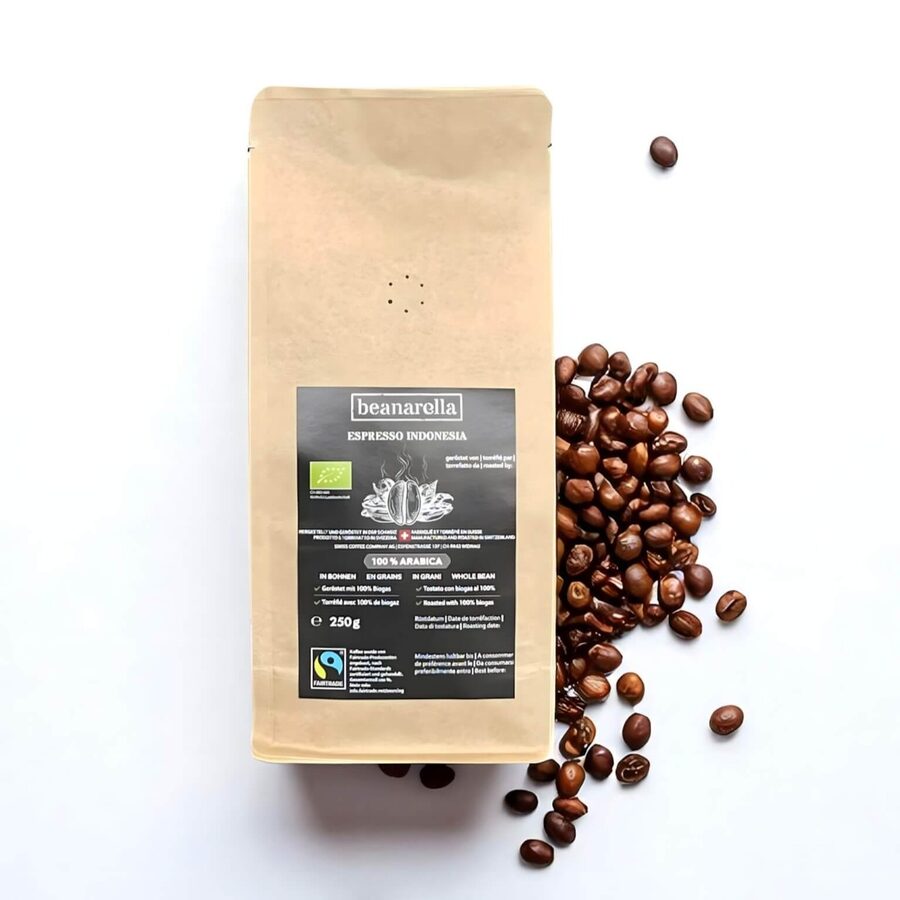 Espresso
Indonesia100% Arabica
espresso indonesia
Full body and an earthy, straightforward taste – an espresso with depth.
Intensity4/5
- earthy
- full body
CHF 7.90 · 250g
View Details
Freshly roasted in a traditional drum roaster – gently, at a low temperature. 100% organic, 100% Fairtrade – and roasted with 100% biogas.
 100% Fairtrade
 100% organic
Six characters from six countries – all roasted using the same gentle slow-roast process.
Three characterful roasts – from intense and full-bodied to balanced and slightly fruity.
EspressoFull body and an earthy, straightforward taste – an espresso with depth.
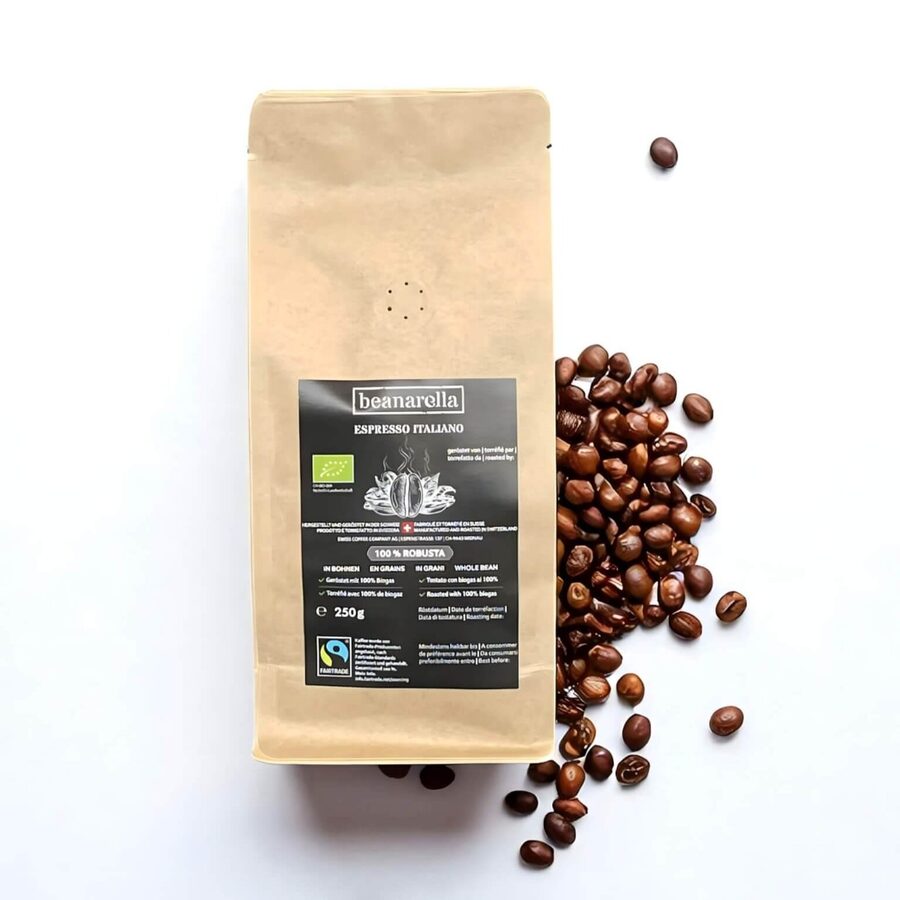 Espresso
Dark-roasted, strong, with a rich finish – Italian coffee at its purest.
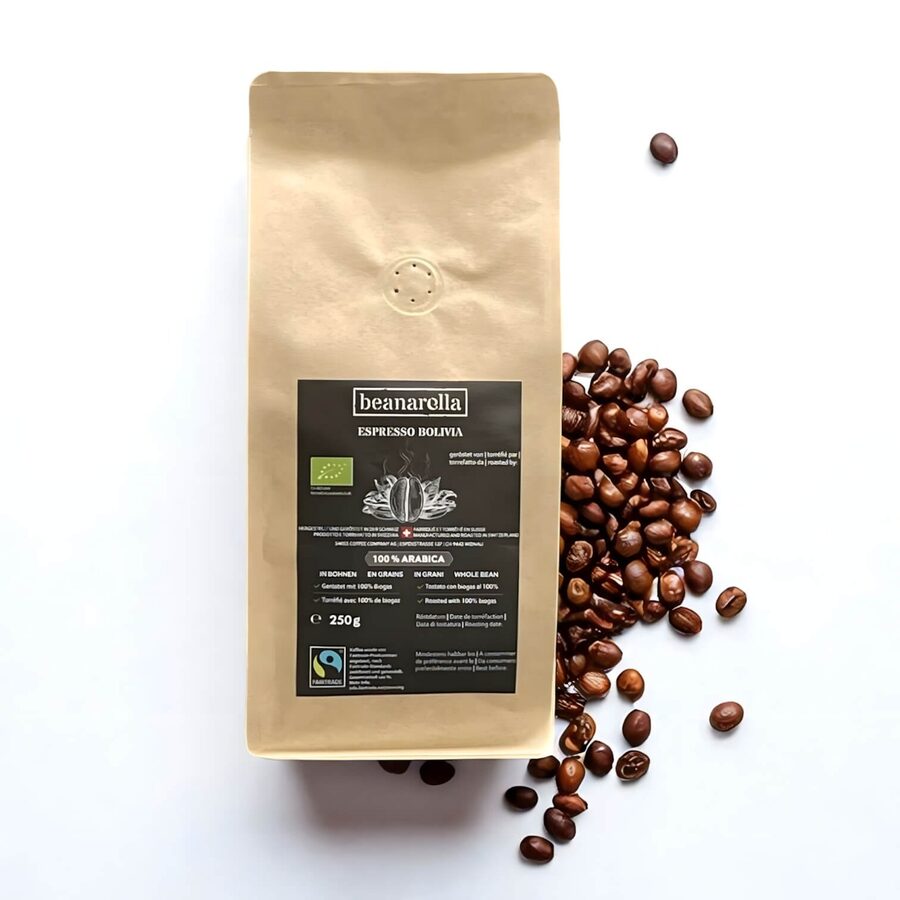 Espresso
Medium-roasted with a slightly fruity note – also excellent as a long coffee.
Harmonious, milder roasts for a long, leisurely coffee.
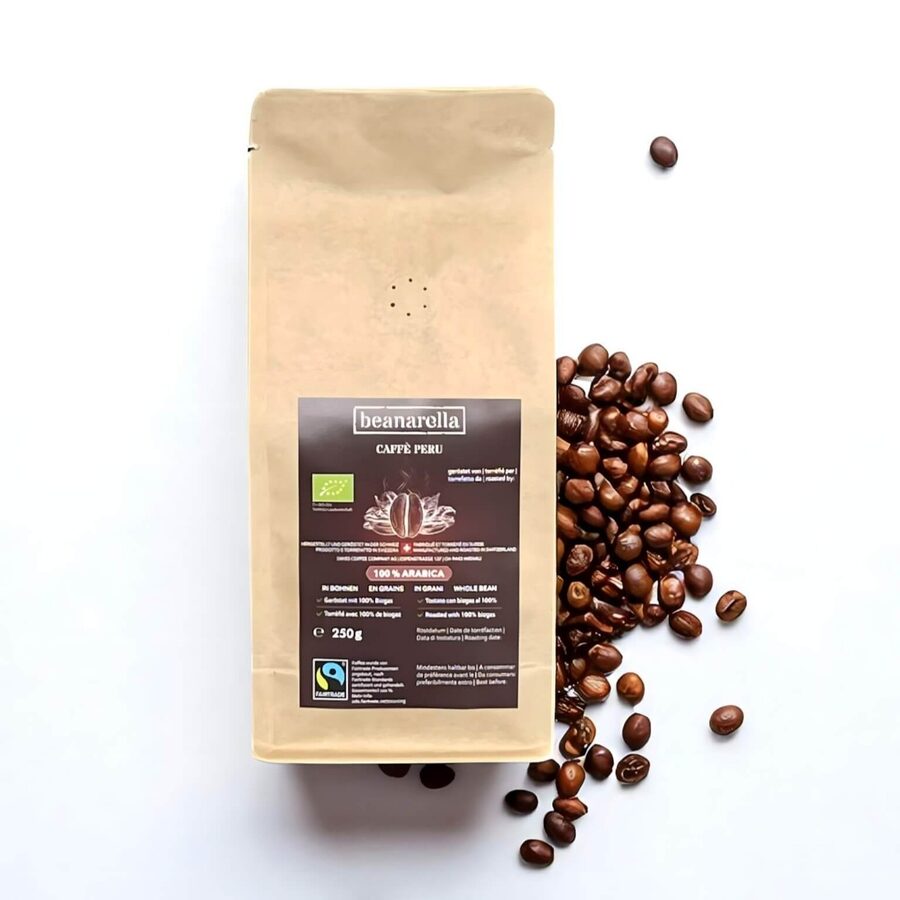 Coffee
Balanced and harmonious – with very little bitterness and very little acidity.
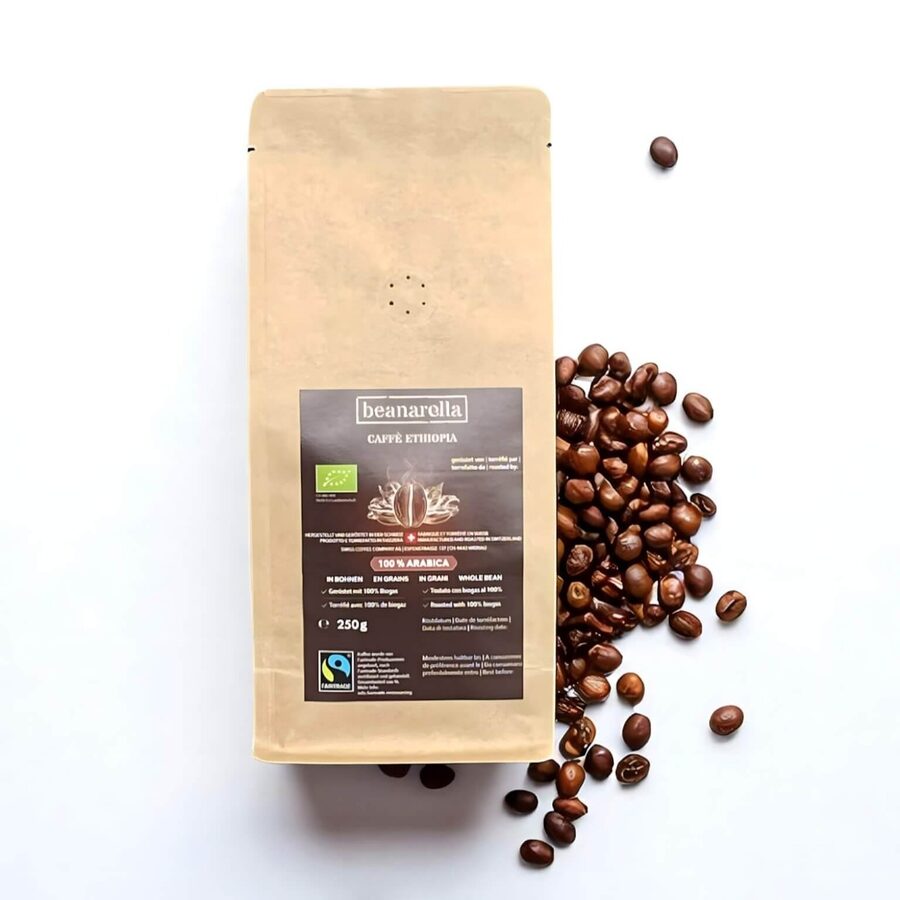 Coffee
Wonderfully harmonious and floral – mild in taste, with subtle hints of fruit.
Full flavour. Decaffeinated coffee.
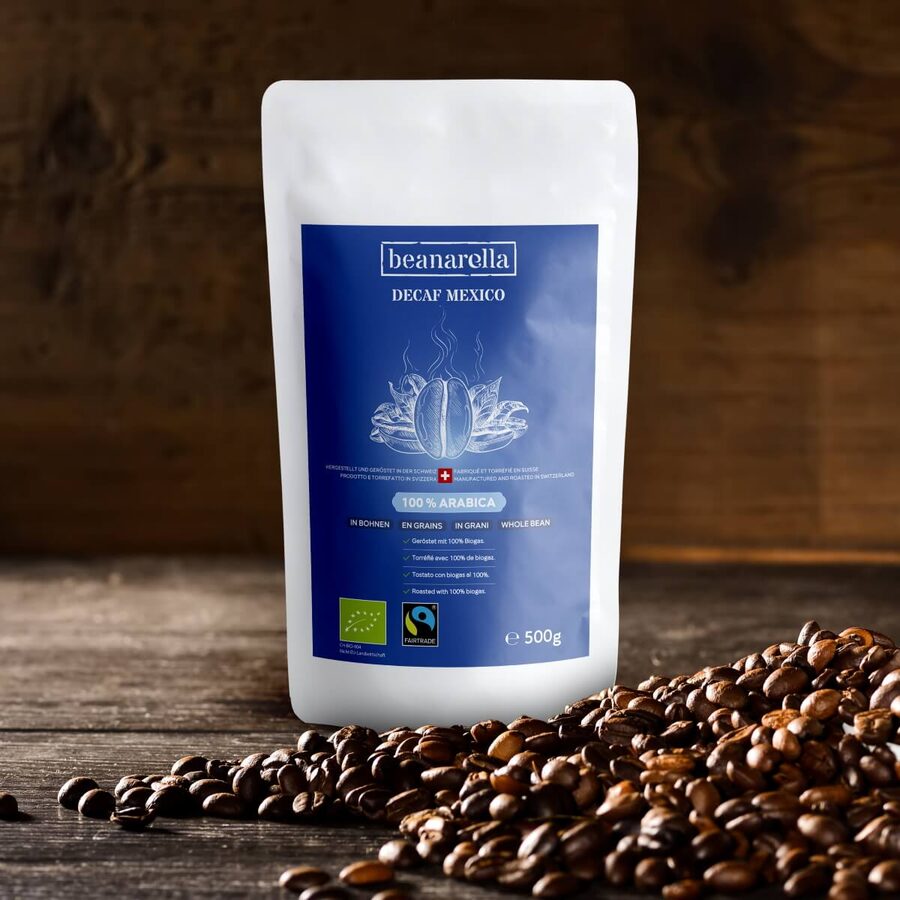 Decaf
Dark-chocolate, smoky nuances and a lingering taste – without any caffeine.
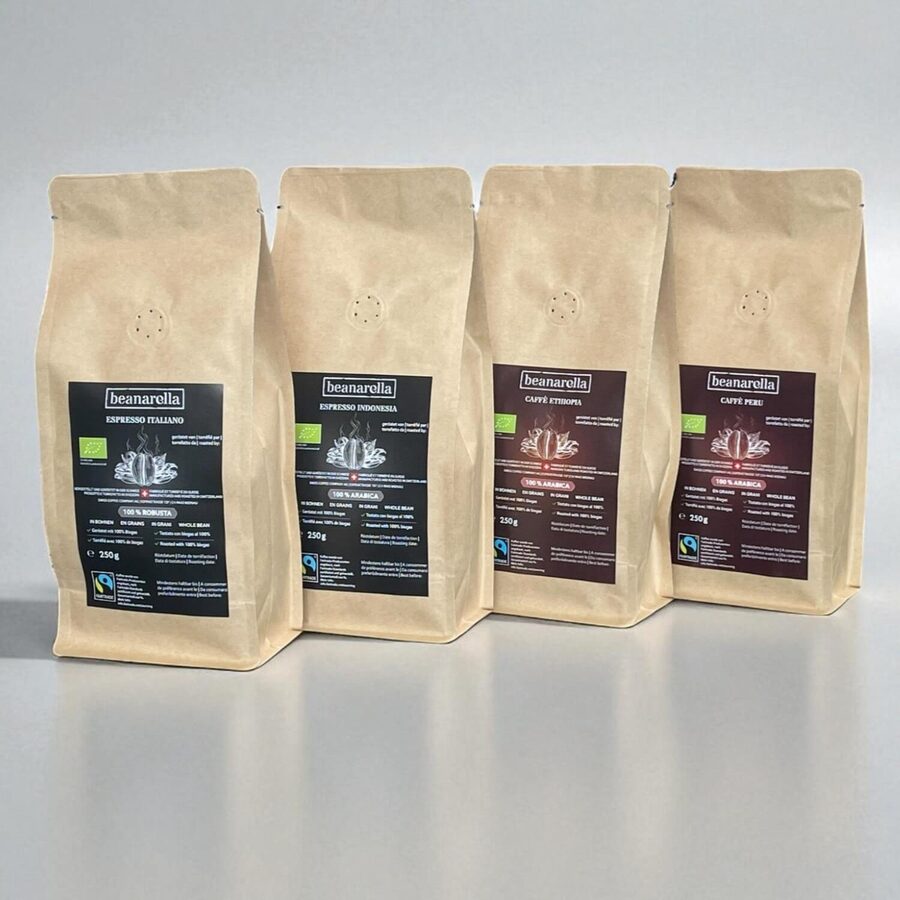
2 × 250 g espresso beans and 2 × 250 g coffee beans – 12% cheaper and delivered free of charge.
In our traditional drum roaster we roast in small batches. We adjust roasting time and temperature to each individual variety – so that its own character comes through, from mild coffee to strong espresso.
Coffee beans for every day
From a long coffee to a cappuccino: discover practical tips and the right accessories for your brewing method. Looking for less caffeine? Try Decaf Mexico.
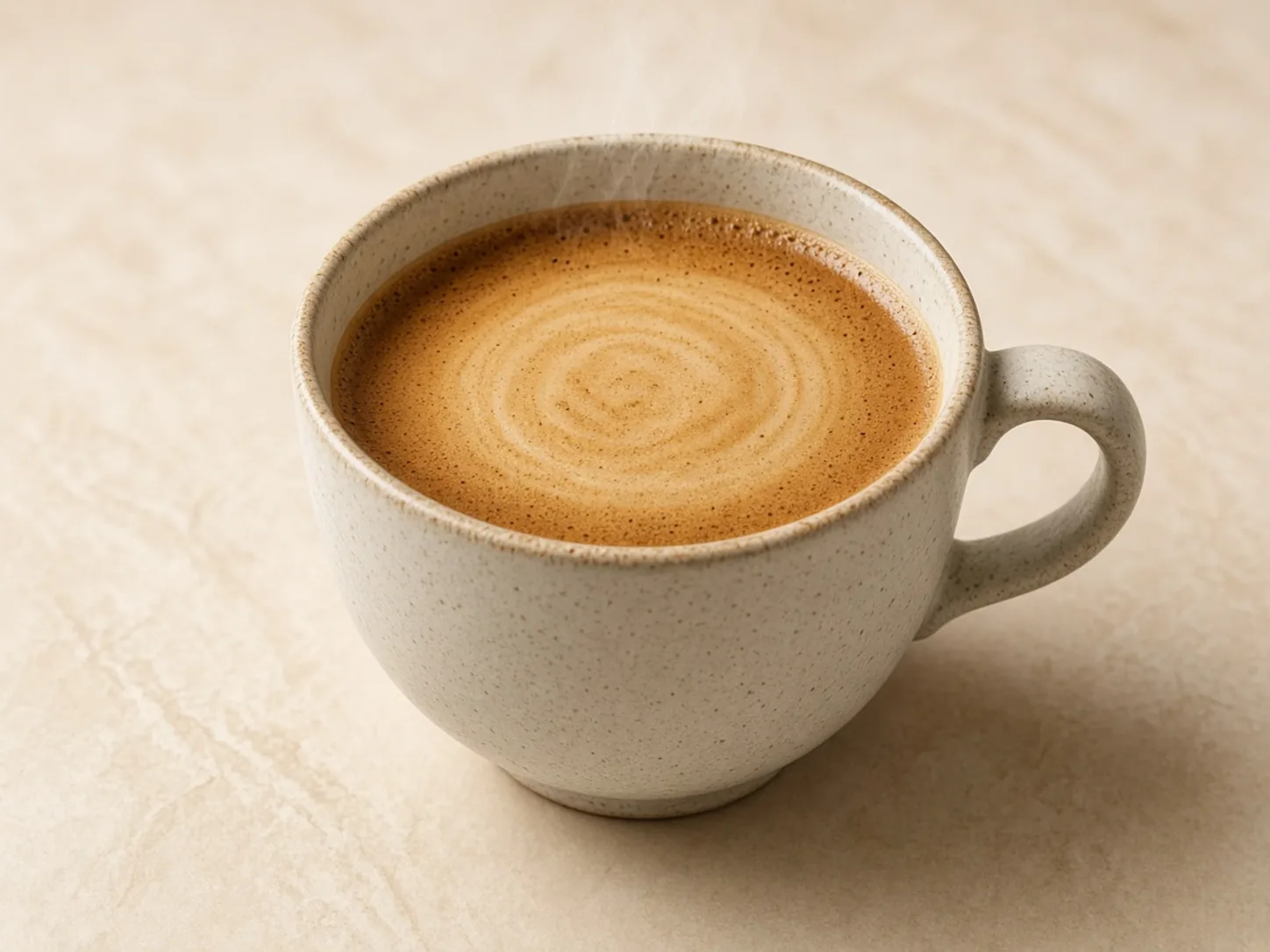
The big cup that starts the day. Our Caffè Peru is made for it: balanced, low in acidity, pleasant even in the second cup. At home from your fully automatic machine – or in a travel mug to take with you when mornings are rushed.
Less water or a stronger coffee setting, not both at once. Change one setting, compare the taste, then the next.
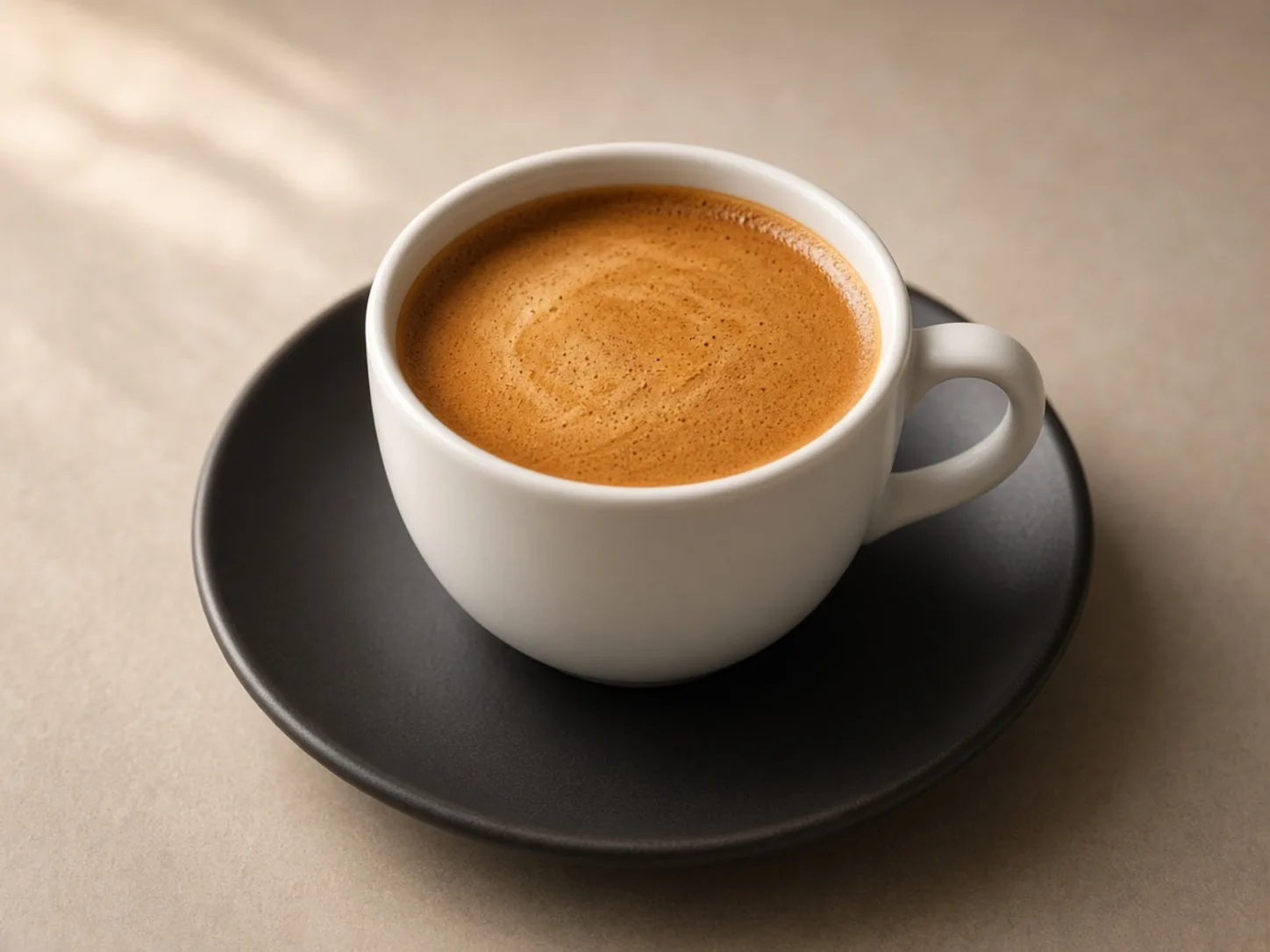
The espresso before you leave, when there's no time left to drink it: instead of leaving it behind, take it with you. Our coffee-to-go cups also come in espresso size – small, with a lid, and they fit in the cup holder. The bean to go with it: Espresso Italiano, strong and with a dense crema.
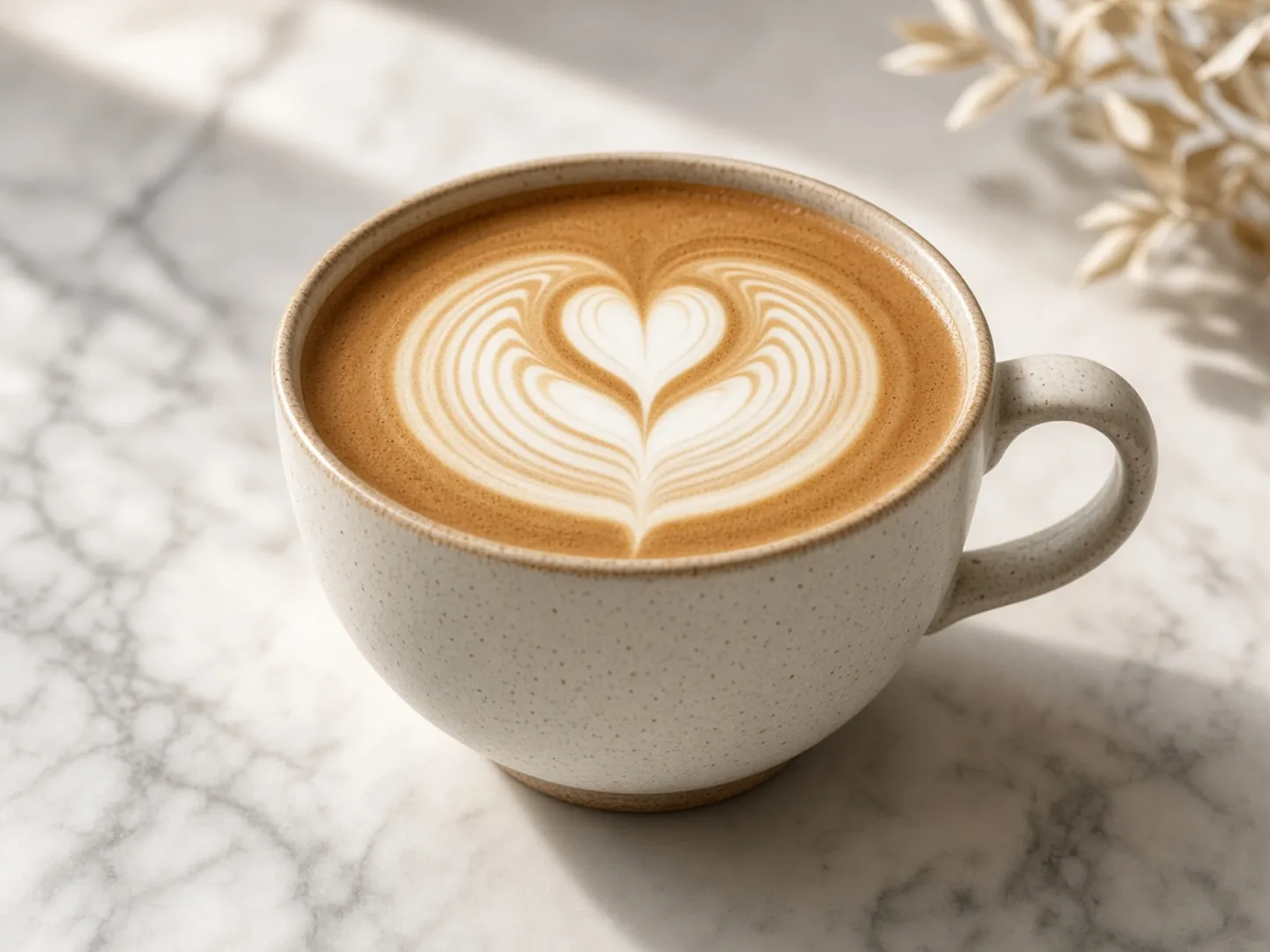
You can make milk foam even without a steam wand – with a separate milk frother. If your machine has a steam wand, use a milk pitcher for frothing and pouring. Choose the accessory that matches your equipment.
Usually too hot or too much air. Heat the milk only to 60–65 °C – the pitcher is then just too hot to hold; if the milk boils, the foam no longer holds. With the steam wand, only draw in air for the first few seconds, then lower the wand and let the milk spin. In a pump frother, 20 to 30 slow pumps are enough.
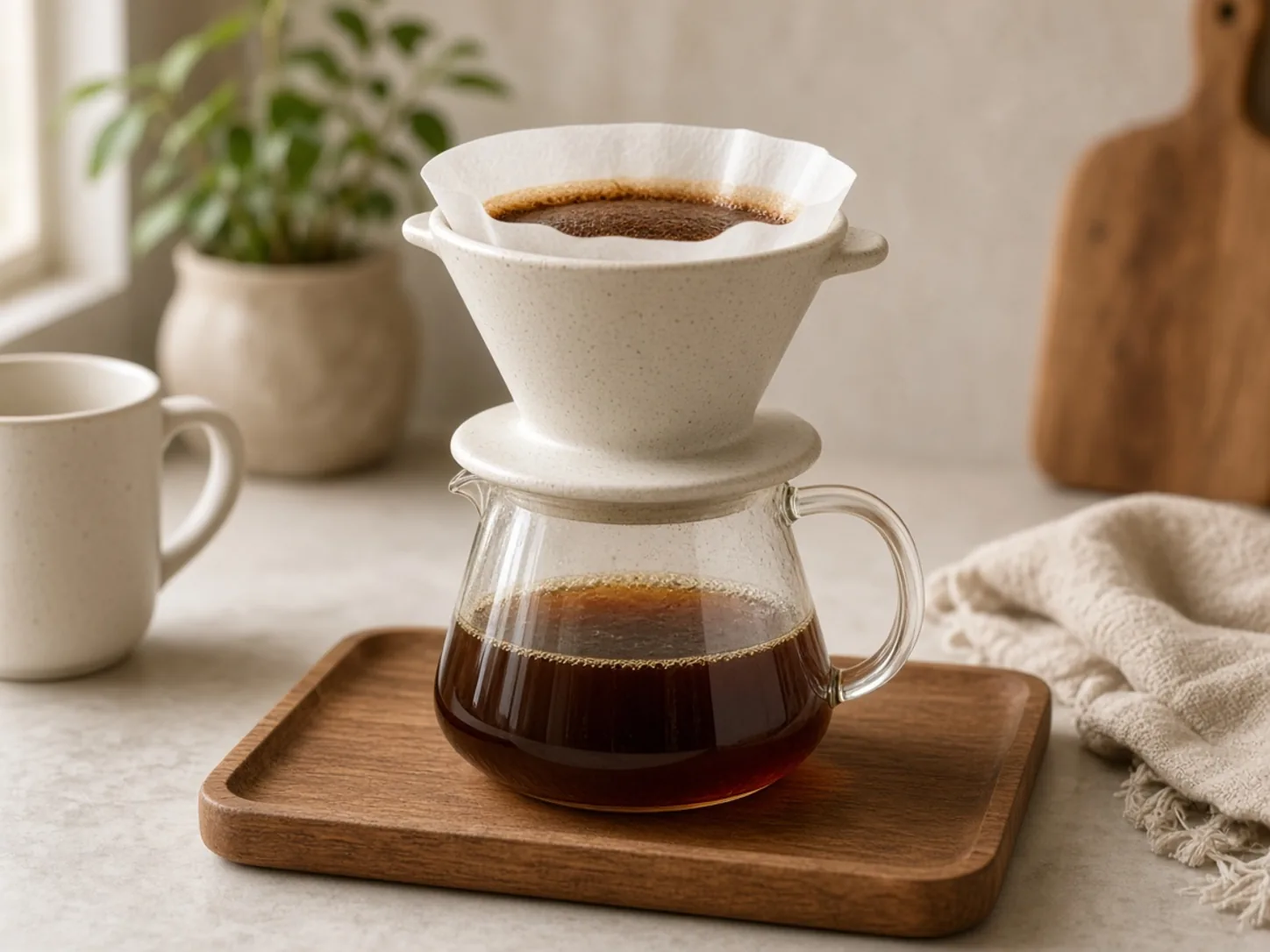
For freshly brewed filter coffee you don't need a big machine: a pour-over dripper, the right filter papers and hot water are enough – the plastic V60 costs less than a bag of beans. Grind the beans just before pouring, medium-fine, like granulated sugar. The bean to go with it: Caffè Ethiopia, floral and fruity – a profile that only really comes into its own as filter coffee.
As a starting point, 6 g of coffee per 100 ml of water – one Hario measuring scoop (12 g) makes a 200 ml cup. Use water shortly after boiling: first pour just enough to wet the grounds, wait 30 seconds, then pour the rest in slow circles. After about three minutes everything should have run through: if it takes longer, grind coarser; if the coffee is sour and runs through quickly, grind finer.
Rediscover coffee
Cold brew on ice, coffee from the stovetop or a small tasting with friends: there's more to try with your coffee beans than you might think.
Prepare it in the evening, enjoy it on ice in the morning: for cold brew, ground coffee steep in cold water for several hours. A filter bottle makes preparation in the fridge easy. Try it with milk, too.
Discover cold brew makersWith a moka pot you brew your ground coffee directly on the stove. Choose the size to suit your needs and, if you have an induction stove, check that the model is compatible.
Stovetop espresso makers & moka potsPour water over coarsely ground coffee, let it steep and slowly press the plunger down: that's how a French press works, with no paper filter. Choose the capacity to suit your cup or a shared coffee break.
Discover French pressesYou can brew your usual beans when travelling, too. The AeroPress Go packs away with its accessories inside the cup supplied. Then all you need for your coffee break is ground coffee and hot water.
Discover the AeroPress GoPour-over today, moka pot tomorrow? With an adjustable coffee grinder you match the grind to your brewing method. Grind only the portion you need each time and, when buying, check which brewing methods the grinder is suited to.
Compare coffee grindersServe two varieties, brewed the same way in identical cups, without revealing the names – who prefers which? The discovery set gives you four varieties to do just that: Italiano, Bolivia, Peru and Ethiopia, 250 g each. Ordinary cups are all you need.
Explore the discovery setRediscover your coffee
Our part doesn't end with roasting. Because we want only the best for your health, we have our coffees tested for harmful substances in independent laboratories – over and above the organic certification. What goes into our bags is tested, not just certified. And no later than seven days after roasting, it's at your door. From then on, two things decide the taste in the cup – and both are simple.
Find out how to store coffee properly and which water suits your machine.
From the right pack size to coffee on ice: here you'll find answers and ideas for your beans. If you have a specific question, our customer service team is happy to help.
| Amount of coffee | Servings | Lasts approx. |
|---|---|---|
| 250 g | around 30 | 2 weeks |
| 500 g | around 60 | 1 month |
| 1 kg | around 120 | 2 months |
Allow about 8 g per espresso or Café Crème. 250 g makes around 30 cups, 500 g around 60, 1 kg around 120. At two cups a day, 250 g lasts two weeks, 1 kg a good two months – too long for whole beans. Rule of thumb: 1 kg only if you drink three or more cups a day, or for a household with several coffee drinkers; otherwise 500 g. The price per kilo is lower, but 500 g finished while it's fresh tastes better than half a kilo that's been open for six weeks.
If you drink your coffee black and mild, go for Caffè Peru or Caffè Ethiopia. If you like it strong or with milk, reach for Espresso Italiano or Espresso Indonesia. Espresso Bolivia sits in between and works short or long. If you're unsure, the discovery set with four varieties is the quickest way to find out – two espressos, two coffees, 250 g each.
The scale from 1 to 5 describes body and roast character, not caffeine content. Caffè Peru at 2.5 is soft and round; Espresso Italiano and Indonesia at 4 are strong and dark. For milk drinks we recommend intensity 3 or higher, so the coffee holds its own against the milk.
The most caffeine: Espresso Italiano. It's 100% Robusta, and Robusta contains roughly twice as much caffeine as Arabica. The least: Decaf Mexico. It's water-decaffeinated, without chemical solvents, and practically caffeine-free – with dark-chocolate, smoky notes you wouldn't expect from a decaf. The Arabica varieties Peru and Ethiopia sit in between. The intensity on the pack says nothing about this.
Yes, all six varieties. Start with a medium grind and the highest coffee strength; finer for espresso, a little coarser for Café Crème. Whole beans aren't suitable for capsule machines, though – for those you need our capsules.
We roast in small batches and deliver within two working days – no later than seven days after roasting, the beans are at your door. Shipping is free on orders from CHF 25. Espresso is at its roundest from about a week after roasting; filter coffee even earlier.
No, deliberately not. Ground coffee loses a large part of its aroma within hours; whole beans keep it for weeks. A simple hand grinder costs less than two kilos of coffee and gets noticeably more out of every variety.
12 to 18 hours in the fridge, coarsely ground, at a ratio of 1 : 8 – that's 60 g of coffee to 500 ml of cold water. Then strain; sealed, the concentrate keeps for three to four days. Fruity varieties such as Caffè Ethiopia or Espresso Bolivia come through best in cold brew. Easy with a cold brew bottle.
The big cup that starts the day. Our Caffè Peru is made for it: balanced, low in acidity, pleasant even in the second cup. At home from your fully automatic machine – or in a travel mug to take with you when mornings are rushed.
Less water or a stronger coffee setting, not both at once. Change one setting, compare the taste, then the next.
The espresso before you leave, when there's no time left to drink it: instead of leaving it behind, take it with you. Our coffee-to-go cups also come in espresso size – small, with a lid, and they fit in the cup holder. The bean to go with it: Espresso Italiano, strong and with a dense crema.
You can make milk foam even without a steam wand – with a separate milk frother. If your machine has a steam wand, use a milk pitcher for frothing and pouring. Choose the accessory that matches your equipment.
Usually too hot or too much air. Heat the milk only to 60–65 °C – the pitcher is then just too hot to hold; if the milk boils, the foam no longer holds. With the steam wand, only draw in air for the first few seconds, then lower the wand and let the milk spin. In a pump frother, 20 to 30 slow pumps are enough.
For freshly brewed filter coffee you don't need a big machine: a pour-over dripper, the right filter papers and hot water are enough – the plastic V60 costs less than a bag of beans. Grind the beans just before pouring, medium-fine, like granulated sugar. The bean to go with it: Caffè Ethiopia, floral and fruity – a profile that only really comes into its own as filter coffee.
As a starting point, 6 g of coffee per 100 ml of water – one Hario measuring scoop (12 g) makes a 200 ml cup. Use water shortly after boiling: first pour just enough to wet the grounds, wait 30 seconds, then pour the rest in slow circles. After about three minutes everything should have run through: if it takes longer, grind coarser; if the coffee is sour and runs through quickly, grind finer.
Rediscover coffee
Cold brew on ice, coffee from the stovetop or a small tasting with friends: there's more to try with your coffee beans than you might think.
Prepare it in the evening, enjoy it on ice in the morning: for cold brew, ground coffee steep in cold water for several hours. A filter bottle makes preparation in the fridge easy. Try it with milk, too.
Discover cold brew makersWith a moka pot you brew your ground coffee directly on the stove. Choose the size to suit your needs and, if you have an induction stove, check that the model is compatible.
Stovetop espresso makers & moka potsPour water over coarsely ground coffee, let it steep and slowly press the plunger down: that's how a French press works, with no paper filter. Choose the capacity to suit your cup or a shared coffee break.
Discover French pressesYou can brew your usual beans when travelling, too. The AeroPress Go packs away with its accessories inside the cup supplied. Then all you need for your coffee break is ground coffee and hot water.
Discover the AeroPress GoPour-over today, moka pot tomorrow? With an adjustable coffee grinder you match the grind to your brewing method. Grind only the portion you need each time and, when buying, check which brewing methods the grinder is suited to.
Compare coffee grindersServe two varieties, brewed the same way in identical cups, without revealing the names – who prefers which? The discovery set gives you four varieties to do just that: Italiano, Bolivia, Peru and Ethiopia, 250 g each. Ordinary cups are all you need.
Explore the discovery setRediscover your coffee
Our part doesn't end with roasting. Because we want only the best for your health, we have our coffees tested for harmful substances in independent laboratories – over and above the organic certification. What goes into our bags is tested, not just certified. And no later than seven days after roasting, it's at your door. From then on, two things decide the taste in the cup – and both are simple.
Find out how to store coffee properly and which water suits your machine.
From the right pack size to coffee on ice: here you'll find answers and ideas for your beans. If you have a specific question, our customer service team is happy to help.
| Amount of coffee | Servings | Lasts approx. |
|---|---|---|
| 250 g | around 30 | 2 weeks |
| 500 g | around 60 | 1 month |
| 1 kg | around 120 | 2 months |
Allow about 8 g per espresso or Café Crème. 250 g makes around 30 cups, 500 g around 60, 1 kg around 120. At two cups a day, 250 g lasts two weeks, 1 kg a good two months – too long for whole beans. Rule of thumb: 1 kg only if you drink three or more cups a day, or for a household with several coffee drinkers; otherwise 500 g. The price per kilo is lower, but 500 g finished while it's fresh tastes better than half a kilo that's been open for six weeks.
If you drink your coffee black and mild, go for Caffè Peru or Caffè Ethiopia. If you like it strong or with milk, reach for Espresso Italiano or Espresso Indonesia. Espresso Bolivia sits in between and works short or long. If you're unsure, the discovery set with four varieties is the quickest way to find out – two espressos, two coffees, 250 g each.
The scale from 1 to 5 describes body and roast character, not caffeine content. Caffè Peru at 2.5 is soft and round; Espresso Italiano and Indonesia at 4 are strong and dark. For milk drinks we recommend intensity 3 or higher, so the coffee holds its own against the milk.
The most caffeine: Espresso Italiano. It's 100% Robusta, and Robusta contains roughly twice as much caffeine as Arabica. The least: Decaf Mexico. It's water-decaffeinated, without chemical solvents, and practically caffeine-free – with dark-chocolate, smoky notes you wouldn't expect from a decaf. The Arabica varieties Peru and Ethiopia sit in between. The intensity on the pack says nothing about this.
Yes, all six varieties. Start with a medium grind and the highest coffee strength; finer for espresso, a little coarser for Café Crème. Whole beans aren't suitable for capsule machines, though – for those you need our capsules.
We roast in small batches and deliver within two working days – no later than seven days after roasting, the beans are at your door. Shipping is free on orders from CHF 25. Espresso is at its roundest from about a week after roasting; filter coffee even earlier.
No, deliberately not. Ground coffee loses a large part of its aroma within hours; whole beans keep it for weeks. A simple hand grinder costs less than two kilos of coffee and gets noticeably more out of every variety.
12 to 18 hours in the fridge, coarsely ground, at a ratio of 1 : 8 – that's 60 g of coffee to 500 ml of cold water. Then strain; sealed, the concentrate keeps for three to four days. Fruity varieties such as Caffè Ethiopia or Espresso Bolivia come through best in cold brew. Easy with a cold brew bottle.